South Korea is on everyone's radar right now, as Pyeong Chang gears up to host the Winter Olympics beginning on February 9. But the country's appeal extends far beyond athletic facilities—with ancient temples, tea plantations, trendy neighborhoods, and more than 3,000 offshore islands to explore, South Korea should be on everyone's travel bucket list. If you're wondering where to begin your journey, the vibrant city of Seoul could be the perfect start. Renowned for its balanced blend of traditional and modern cultures, Seoul is teeming with an exciting array of experiences to offer. And, finding a comfortable place to stay wouldn't be a problem. The city is packed with a wide range of accommodations to fit varying requirements and budgets. Be it a hotel room, or an apartment, choosing the right one can enhance your overall experience in Seoul. For instance, the Seoul apartments on www.seoulhotelspage.com offer a distinct, localized experience that provides just the right lens for the urban extravagance that is Seoul. Need more convincing? Here are the country's most beautiful sites, ready to welcome you long after the Olympians head home.

Donggung Palace and Wolji Pond
Located near the city of Gyeongju, this 7th-century palace complex contains well-preserved temples, museums filled with ancient relics, and three small islands. Its star attraction is the surrounding Wolji Pond, an artificial lake that perfectly reflects the buildings (especially at night) and becomes covered with lotus flowers in the summer.
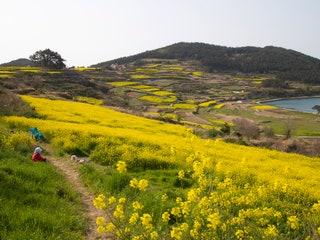
Cheongsando Island
Southern Cheongsando Island is known for its untouched beauty—think terraced rice paddies, panoramic ocean views, and fields of yellow rapeseed flowers. The island is also famous for embracing the concept of slow living, hosting a "Slow Walking Festival" every year in which visitors and residents are encouraged to stroll the walking trails as slowly as possible to better soak in the scenery.
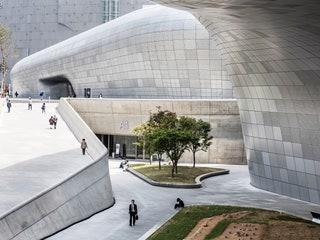
Dongdaemun Design Plaza (DDP), Seoul
Built in 2014 near Seoul's Dongdaemun Market, this Zaha Hadid-designed plaza is well worth exploring for a few hours. The building's seven levels can be explored on a guided tour or at your own leisurely pace, but the on-site history museum and clothing market are just added bonuses to the architecture itself, designed with no angles nor straight lines.
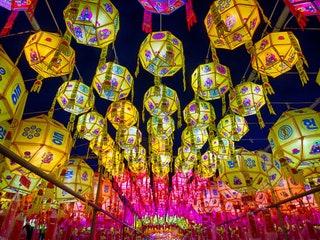
Samgwangsa Temple, Busan
Samgwangsa Temple is known for its annual lantern festival, an event honoring Buddha's birthday (usually in late May) that attracts over a million visitors every year. During the festival, countless lanterns light up in spectacular colors beneath the night sky.
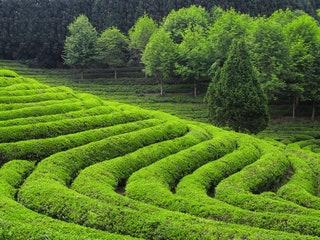
Boseong County
About 40 percent of the country's green tea supply grows in the fields of Boseong, which attracts photographers and filmmakers as much as tea drinkers thanks to its dramatic green fields.
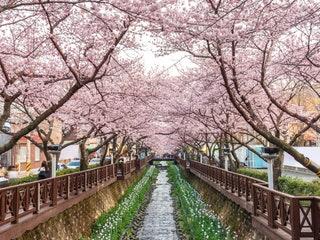
Jinhae
Located about 20 miles west of Busan, Jinhae is a quiet coastal town known for one thing: cherry blossoms. Each spring, the city holds the largest cherry blossom festival in South Korea, with hundreds of thousands of pink trees lining streets, railways, and streams.
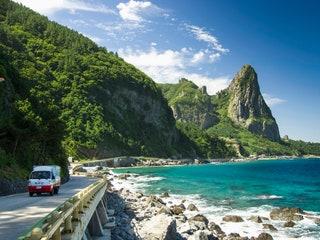
Ulleungdo Island
This volcanic island boasts some seriously impressive scenery, with Hawaii-esque coastlines and Cabo San Lucas-esque rock formations. But visual similarities aside, this Sea of Japan destination is truly one of a kind—especially when you throw in the island's famous seafood dishes (like honghap bap, a seasoned rice dish served with mussels).
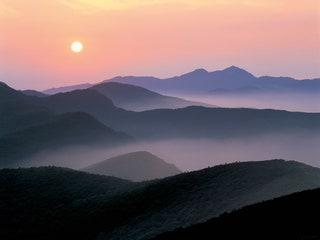
Jirisan National Park
Established in 1967, this is the oldest official national park in the country, drawing visitors for its 119,350 acres of rolling mountains and valleys, temple complexes, and Asiatic black bear habitats.
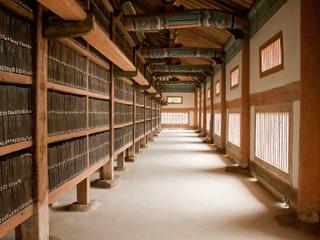
Haeinsa Temple
Haeinsa is one of the most famous ancient sights in the country, designated a UNESCO World Heritage Site in 1995. Aside from its beauty, the temple is home to the Tripitaka Koreana, a collection of some 80,000 tablets engraved with Buddhist writings.
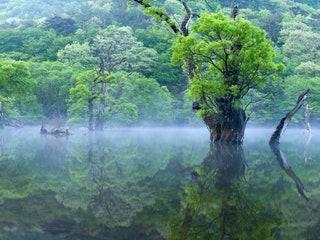
Juwangsan National Park
Juwangsan National Park may be small (about 41 square miles), but it packs quite the punch. The park is known for the vertical, rocky cliffs of Juwangsan Mountain, tucked-away waterfalls, and willow tree-filled Jusanji Pond (pictured).
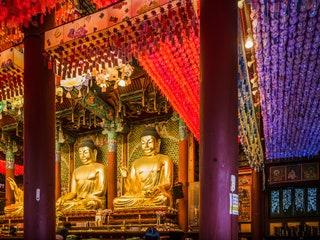
Jogyesa Temple, Seoul
This 620-year-old Buddhist temple may be the most photographic spot in the Insadong district, with streams of pink, blue, and yellow lanterns on the ceiling and window shudders carved into the shape of trees.
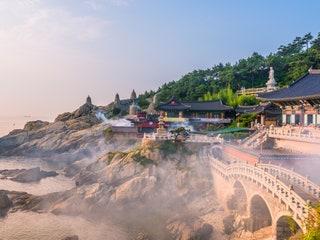
Haedong Yonggungsa Temple, Busan
Haedong Yonggungsa Temple has one of the most scenic locations of any temple in the country—overlooking the sea on the northwest corner of Busan. Most temples are found in the mountains, so the chance to meditate while watching the sun rise over the ocean is particularly special.
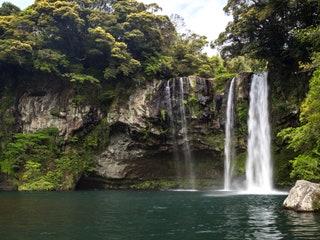
Cheonjiyeon Falls
Located on Jeju Island—a wholly beautiful destination in its own right—this 72-foot-tall waterfall is surrounded by walking trails, lemon trees, and a pond filled with tropical (and totally harmless) eels. There is truly no wrong time to visit, as the cascades are lit up at night.
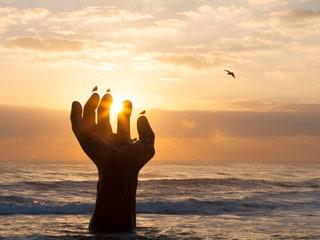
Homigot
Located at the easternmost end of the country, Homigot is the place to watch the sun rise in South Korea. Due to its location, the area is the first in the country to catch sight of the rising sun—there is even a Sunrise Festival held here every New Year's, where visitors gather in masses to watch the solar event together. The site is made even more special with "Hand of Harmony," a sculpture featuring two hands—one on land, one in the ocean—reaching upward in a symbol of harmony.
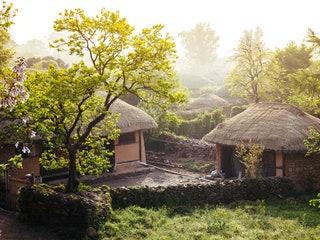
Naganeupseong Folk Village
Time seems to stand still in this village, with houses, castles, and monuments appearing almost exactly as they did 600 years ago. Cultural significance aside, the village is a unique tourist attraction—visitors get to tour houses, watch traditional dance performances, and take lessons in Korean tea ceremony etiquette.
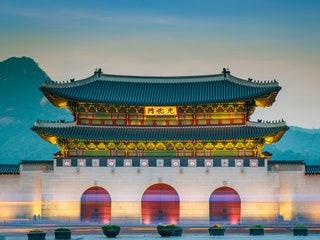
Gyeongbokgung Palace, Seoul
Gyeongbokgung Palace is the largest—and arguably the most beautiful—of Seoul's five palaces. Its Gyeonghoeru pavilion remains nearly exactly as it was when it was built back in 1395, and its on-site museums feature some of the best Korean art in the country.
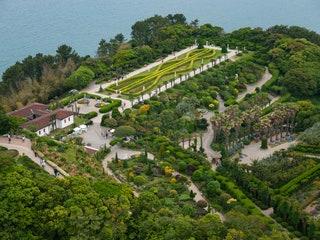
Oedo-Botania
You can't visit the city of Geoje without taking a ferry ride to the nearby island of Oedo, home to Oedo-Botania. The 12 square miles of this marine botanical garden contain more than 3,000 species of plants, with perfectly manicured green spaces modeled after the gardens at Versailles.
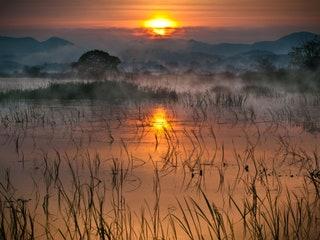
Upo Wetlands
Stretching across 526 acres, Upo is the largest swamp area in the country. Visitors can walk or bike around the wetlands, getting glimpses of the more than 1,500 species of plants and endangered animals, plus beautiful willow groves and gatherings of fireflies.
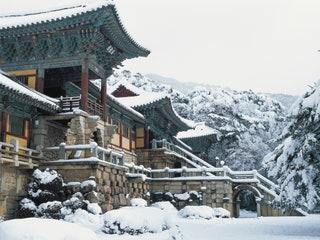
Bulguksa Temple, Gyeongju National Park
Built in 774, the Temple of Bulguksa is found in the incredibly scenic Gyeongju National Park on the slopes of Mount Tohamsan. The complex's stone terraces, bridges, and pagodas look especially lovely in winter, covered by a light layer of snow.
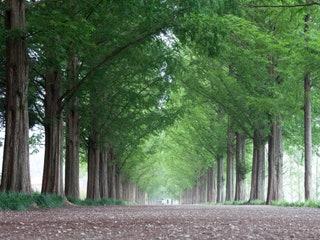
Metasequoia Road, Damyang
Lined with giant sequoia trees planted back in the 1970s, this is one of the most popular roads in all of South Korea—both for drivers and walkers. The path is particularly gorgeous in summer, when the treetops cover the road in a lush green canopy.
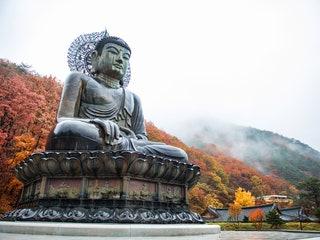
Sinheungsa Temple, Seoraksan Mountain
There are many reasons to visit Sinheungsa Temple, from its towering bronze Buddha statue to its architecturally stunning buildings. But the main draw is perhaps the surrounding nature, with the Seoraksan mountain and colorful trees serving as the perfect backdrop.
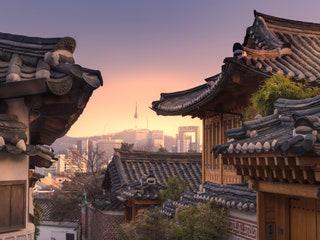
Bukchon Hanok Village, Seoul
In an increasingly modern city like Seoul, the Bukchon Hanok Village stands apart for its quiescence. Hundreds of the hanoks (traditional Korean houses) have been protected, with many buildings now serving as tea houses and galleries.